

The Good Work That Keeps Going in Public Child Welfare
In the middle of real challenges, public child welfare agencies and nonprofit organizations still serve families every day. Here is what the good work looks like and how to protect it.
If you've followed this blog for a while, you know we don't shy away from what is challenging. We've written about burnout as a system design problem, what it takes to be ready for change, and the cost of leaders running on empty. Naming those challenges honestly is part of how organizations get better.
But it's only part of the story. The other part is this: every day, in the middle of tight budgets, high caseloads, and shifting policy, people in public child welfare and community-based organizations are still showing up and doing work that changes families' lives. That deserves just as much attention.
What the mission looks like on an ordinary day
Good work in this field is rarely dramatic. It's usually quiet, consistent, and easy to miss if you're only looking at the metrics.
A social worker who takes the extra time to find a relative, so a child goes home with someone who already has a relationship with them.
A family resource center that helps a parent cover a utility bill or find child care before a hard month becomes a crisis.
A supervisor who protects her team's time for reflective practice, even when the inbox says otherwise.
A community partner who treats a family with dignity, in their language, in a way that reflects their culture.
A coach at a neighborhood rec center who notices a kid has gone quiet and becomes a steady, trusted adult in that kid's life.
None of those moments show up in a headline. All of them are the mission and vision of an organization made real.
How strong organizations protect the good work
The agencies that keep delivering in tough seasons aren't the ones without problems. They're the ones that have learned to protect what matters most. A few patterns stand out.
They stay anchored to purpose. When the pressure is on, they come back to the question of who they serve and why. That clarity makes it easier to decide what can wait and what can't.
They make good practice repeatable. Great work that lives in one person's head walks out the door when that person leaves. Strong organizations document what works so it becomes part of how the whole team operates.
They name and celebrate wins. Staff in this field hear about every mistake. The best leaders make sure their teams also hear about the family that reunified, the youth who graduated, and the partnership that finally came together.
They invest in leaders at every level. Organizations that move from surviving to thriving build the leadership capacity to keep good work going when the people at the top are stretched.
Where good work starts: prevention
Some of the most powerful work in this field happens long before a hotline call. Prevention is about helping families stay strong so that a crisis never arrives.
A useful lens here is the Strengthening Families Protective Factors Framework from the Center for the Study of Social Policy. It names five protective factors that help reduce the risk of abuse and neglect: parental resilience, social connections, knowledge of parenting and child development, concrete support in times of need, and social and emotional competence of children.
Look closely at that list and you'll notice something. Many of those factors aren't built in an office. They're built in communities.
Why sports, recreation, and the arts belong in the prevention conversation
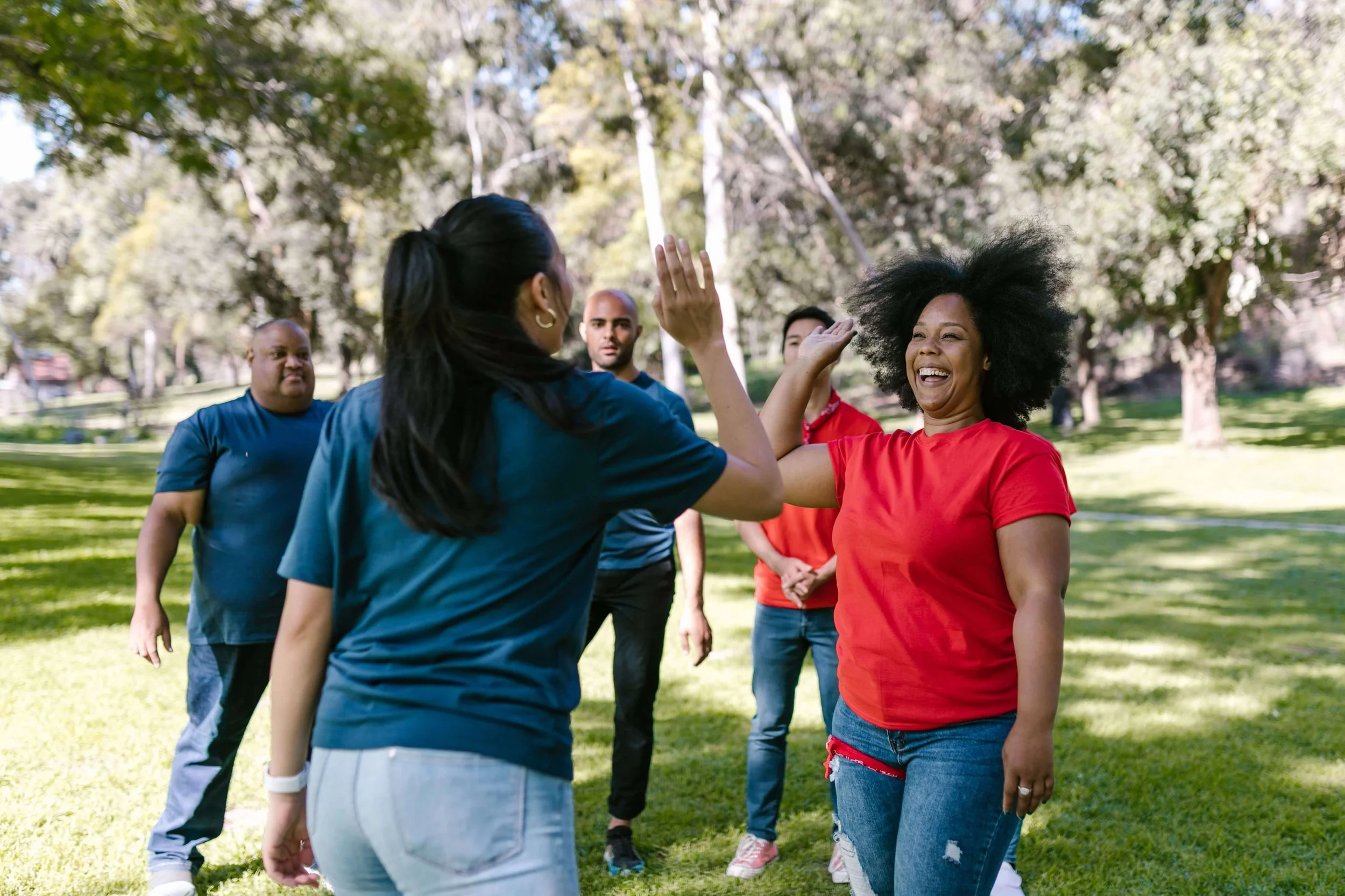
Think about what a well-run youth sports league, recreation program, or arts program offers a family. On the field, kids get structure, physical activity, and a chance to build confidence and teamwork. In a music class, a dance studio, a theater group, or an art room, they get a way to express what they’re feeling, practice something until they’re proud of it, and be seen for who they are. In every one of those spaces, they build relationships with caring adults outside the home.
Parents benefit too. They connect with other families on the sidelines and in the audience, and they often get a few hours of reliable, affordable care in the week.
That lines up closely with the protective factors above, especially social connections, concrete support, and children’s social and emotional development. Research on sports and the arts as protective factors for children who have experienced adversity is still developing, but the early direction is encouraging, and it matches what many of us have seen firsthand in our communities.
Doing this well also means doing it safely. Youth programs are only protective when the adults running them are trained, screened, and supported to recognize warning signs and respond the right way. That’s true for coaches, teaching artists, and program staff alike. Safeguarding isn’t separate from prevention. It’s part of it.
This is an area we’ll be digging into more on this blog: how sports, recreation, the arts, and other everyday community spaces can partner with public child welfare systems to keep kids safe and families thriving.
Keep doing the good work
If you lead an agency or nonprofit, take a minute this month to notice the good work happening around you and say it out loud to the people doing it. The challenges are real. So is the impact.
At rfc21, we partner with public agencies, nonprofits, and community organizations to strengthen the leadership, practice, and systems that make this work possible. You can see some of that partnership in our work.
Interested in building or strengthening prevention partnerships in your community? Contact us to get a conversation started:
rfc21 specializes in driving meaningful change for organizations dedicated to supporting children and families in communities of color. Book a call with us to discover how our effective strategies can support your organizational transformation.
